
Millet Pasta at Mitamins Health Club at Vanasthalipram

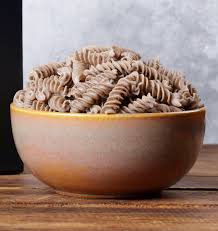
Millet pasta is a nutritious alternative to traditional wheat-based pasta. It is made from millet flours (often single millet or multi-millet blends) such as finger millet (ragi), foxtail millet, pearl millet (bajra), little millet, barnyard millet, sorghum (jowar), or combinations of these. These are ancient grains popular in India and other parts of the world, especially as gluten-free options.

It cooks similarly to regular pasta (boil until al dente) and pairs well with sauces, vegetables, or Indian-style preparations. Many brands in India offer it as a healthier swap for maida (refined flour) pasta or noodles.

Key Nutritional Profile (Approximate, per serving; varies by brand and millet type)

Millets are nutrient-dense compared to refined wheat pasta:

  • Higher fiber — Often 2–3 times more than regular pasta, aiding digestion and fullness.
  • Good protein — Around 5–6g or more per serving, with better amino acid profiles in some millets.
  • Rich in micronutrients — Iron, magnesium, calcium (especially in ragi), phosphorus, zinc, B-vitamins (like niacin, B6), and antioxidants (phenolic compounds, polyphenols).
  • Lower glycemic index (GI) — Slower carbohydrate release than refined wheat pasta.
  • Low in fat, cholesterol-free, and often lower in calories or refined carbs.

Main Advantages of Millet Pasta

Here are the primary benefits, backed by its nutritional edge over conventional pasta:

  1. Better Blood Sugar Control Lower GI means it causes a slower, steadier rise in blood glucose. This makes it suitable for people managing diabetes or insulin resistance, providing sustained energy without sugar spikes/crashes.
  2. Improved Digestion and Gut Health High dietary fiber promotes regular bowel movements, prevents constipation, supports gut microbiota (some millets act as prebiotics), and reduces bloating. Millets are generally easy to digest and alkaline in nature.
  1. Gluten-Free and Allergy-Friendly Naturally gluten-free (no wheat), it is ideal for individuals with celiac disease, gluten intolerance, or sensitivity. It reduces

Noodless at Mitamins Health Club at Vanasthalipuram

Noodles are a popular, versatile food made from various bases like wheat flour, rice, buckwheat, legumes, or even vegetables. They come in many forms—dried, fresh, instant, or specialty types—and can be part of a balanced diet when chosen wisely and paired with nutritious ingredients.

Key Advantages of Noodles

Here are the main benefits, depending on the type and how you prepare them:

  • Quick and convenient energy source: Noodles provide carbohydrates, the body’s preferred fuel for daily activities and brain function. Whole-grain or complex-carb varieties (like whole wheat or soba) offer sustained energy rather than quick spikes.
  • Versatile base for balanced meals: They pair easily with vegetables, lean proteins (chicken, tofu, eggs, beans), and healthy fats, helping you create nutrient-dense dishes. This makes it simple to boost overall vegetable and protein intake.
  • Nutrient contributions (especially fortified or whole-grain types): Many noodles deliver B vitamins (thiamine, riboflavin, niacin, folate), iron, manganese, and sometimes calcium. Fortified versions can help address micronutrient gaps, such as reducing anemia risk through added iron.
  • Digestive and satiety support: Whole-grain, legume-based (chickpea, lentil), or high-fiber noodles provide dietary fiber, which aids digestion, promotes regular bowel movements, supports gut health, and helps you feel fuller longer—pote
  • Important Considerations (Not All Noodles Are Equal)

    Refined white noodles or instant varieties (like many ramen packets) are often lower in fiber and protein while higher in sodium, refined carbs, and sometimes fats. Frequent consumption of instant noodles has been linked to higher sodium/fat intake and lower overall diet quality, though moderate use with added veggies and protein is generally fine.

    Tips to maximize advantages:

    • Choose whole-grain, legume, or buckwheat options when possible.
    • Add plenty of vegetables, lean protein, and herbs/spices instead of relying.

Paneer Pockets at Mitamins Health Club at Vanasthalipuram

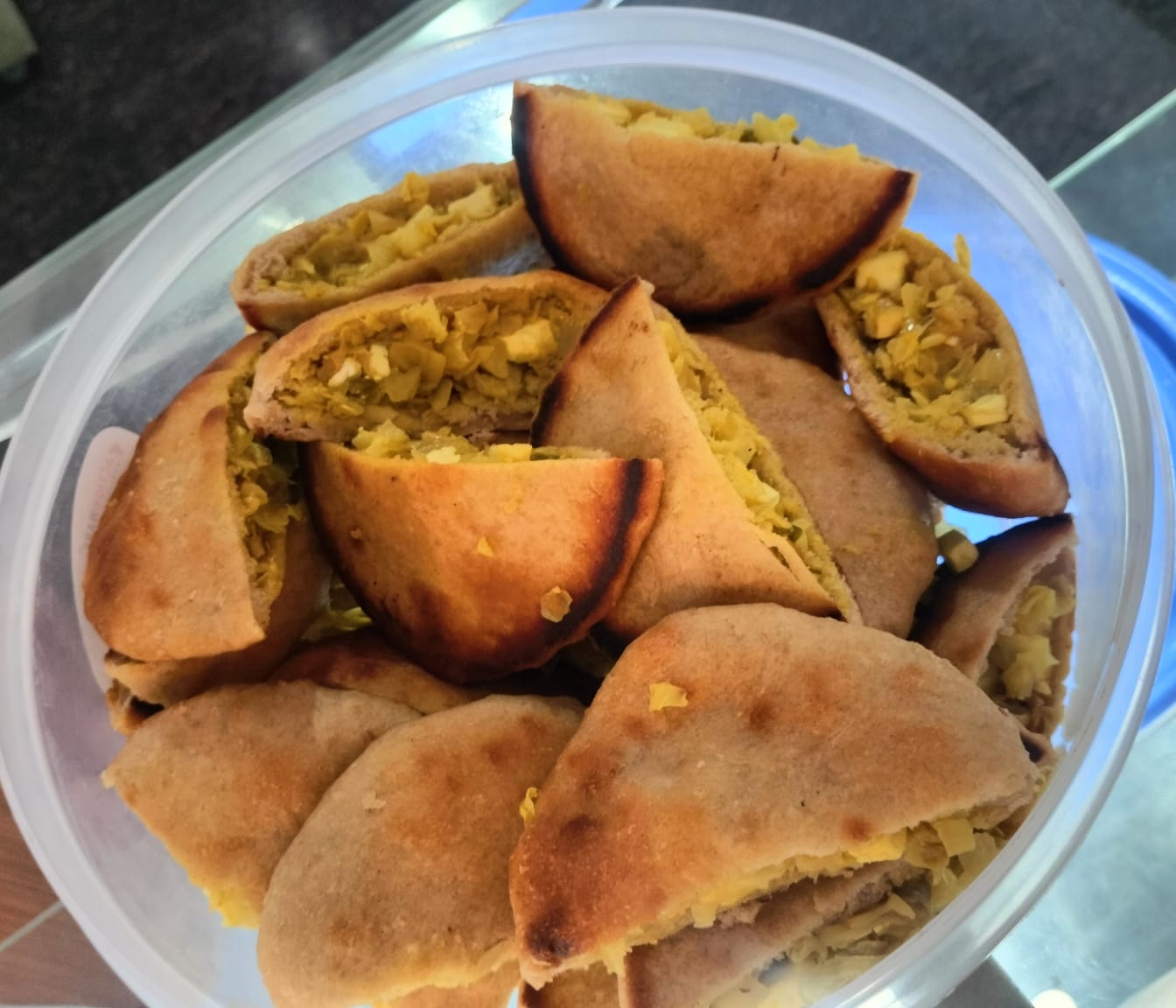
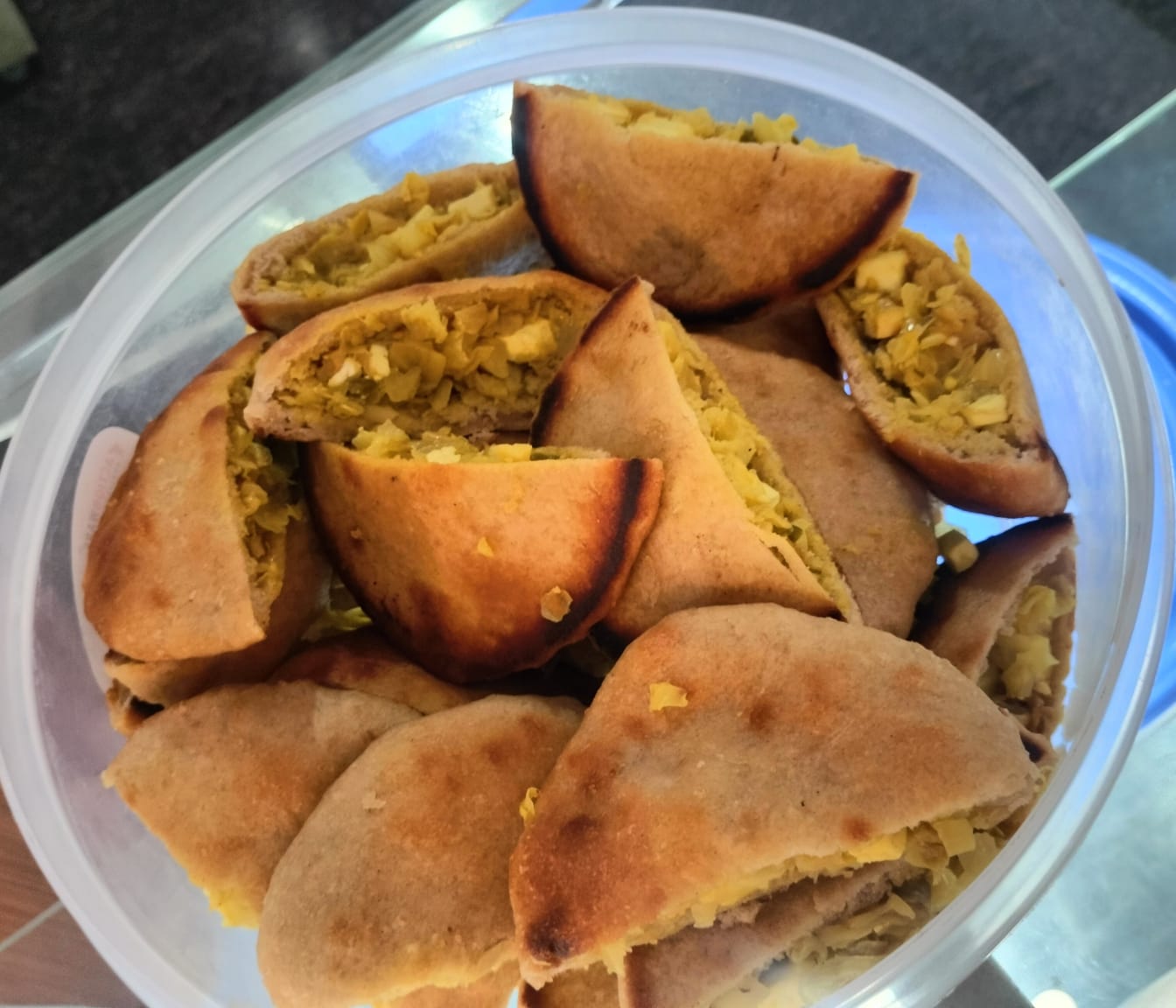
Paneer pockets are a popular Indian snack or appetizer. They consist of a crispy outer layer (often made from bread slices, puff pastry, or a simple dough) stuffed with a flavorful filling of crumbled or cubed paneer (Indian cottage cheese), mixed with spices, vegetables (like onion, capsicum, sweet corn, or green peas), herbs, and sometimes cheese or chutneys.

They are typically shallow-fried, toasted on a tawa, or baked for a healthier version, making them crispy outside and soft, cheesy inside. Variations include bread paneer pockets, pizza-style pockets, schezwan, or even palak (spinach) paneer pockets. They serve as a great tea-time snack, party appetizer, or kids’ lunchbox item.

Quick & Easy Recipe Idea (Bread Paneer Pockets)

  • Filling: Grate or crumble 100-150g paneer. Mix with finely chopped onion, capsicum, boiled sweet corn or green peas, green chilli, salt, pepper, chilli flakes, oregano, and a bit of green chutney or hung curd/mayonnaise for binding.
  • Outer layer: Use bread slices — trim edges, place filling in the center, cover with another slice, press edges (you can seal with a little flour paste or just press firmly). Cut into triangles or pockets.
  • Cooking: Shallow fry in minimal oil until golden and crispy, or toast on a tawa with little butter/oil, or bake/air-fry for a low-oil version.
  • Time: Ready in 15-20 minutes. Serves as a fun, handheld snack.

Many recipes keep it simple with no deep-frying for everyday use.

Advantages of Paneer Pockets

Here are the key benefits, especially when prepared at home with controlled ingredients:

  1. High in Protein Paneer is an excellent source of high-quality protein (about 18-24g per 100g), containing all essential amino acids. It supports muscle building, repair, and satiety (feeling full longer), making it ideal for vegetarians as a meat alternative. The pockets deliver this protein in an enjoyable, bite-sized form.
  2. Rich in Calcium and Bone Health Paneer provides good amounts of calcium and phosphorus, which help build and maintain strong bones and teeth. Combined with veggies in the filling, it adds more nutrients without much effort.
  3. Supports Weight Management High protein + low carbs (paneer is naturally low in carbohydrates) helps control hunger and reduce unhealthy snacking. If you shallow-fry, bake, or air-fry instead of deep-frying, the overall calories stay reasonable. It fits well in weight-loss or muscle-building diets.
  4. Kid-Friendly and Fun The crispy exterior and flavorful filling make it appealing to children who might otherwise avoid plain paneer. It’s a great way to sneak in veggies and protein into lunchboxes or snacks. Many versions are mildly spiced and customizable.
  5. Versatile and Customizable You can adjust spices (mild for kids, spicy for adults), add different veggies, or make it fusion-style (pizza herbs, schezwan, etc.). It works as a quick party starter or evening snack.
  6. Better Alternative to Many Snacks Compared to deep-fried samosas, pakoras, or processed snacks, homemade paneer pockets (especially shallow-fried or baked) use less oil and offer real nutrition from paneer and fresh ingredients. They provide instant energy without heavy guilt.
  7. Digestive and Other Benefits Paneer aids normal digestion and may support immunity. When paired with fiber-rich veggies, the pockets become more balanced. Some studies note potential benefits like reduced cancer risk from components in paneer, though moderation is key.

Tip for Healthier Version: Use whole wheat bread or homemade dough, minimal oil, lots of veggies, and low-fat paneer if available. Avoid overloading with cheese or deep-frying daily.

If you’re in Hyderabad (like at Mitamins Health Club), you might even find fresh, health-focused versions served as nutritious snacks!

Would you like a specific recipe variation (e.g., baked, no-bread, or spicy), nutritional breakdown for a portion, or tips to make it even healthier?

Ragi Idly at Mitamins Health Club at Vanasthalipuram

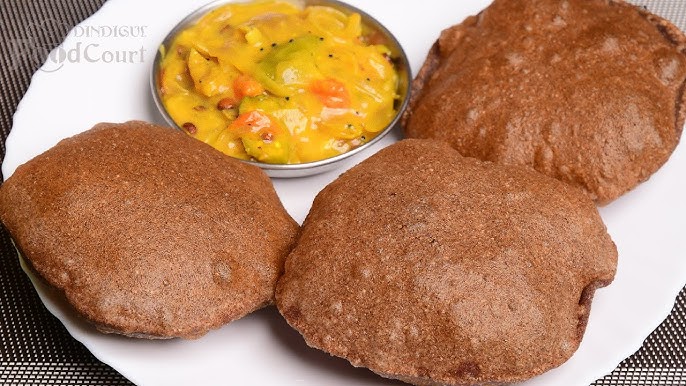
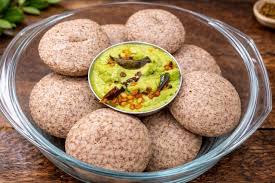
Ragi Idli (also called Finger Millet Idli or Nachni Idli) is a healthy, nutritious twist on the classic South Indian steamed idli. It replaces or partially replaces rice with ragi (finger millet), a nutrient-dense millet widely grown in India, especially in Karnataka, Andhra Pradesh, and Tamil Nadu. It has a slightly earthy, nutty flavor, soft texture when prepared well, and pairs perfectly with coconut chutney, tomato chutney, or sambar.

Quick Overview of Ragi Idli

Traditional idli uses rice + urad dal (black gram). In ragi idli:

  • You can use whole ragi grains (soaked and ground) or ragi flour for quicker versions.
  • Common ratios: 1–1.5 cups ragi (whole or flour) + ½ cup urad dal + optional idli rice or poha (flattened rice) for softness.
  • The batter is fermented (like regular idli), which improves digestibility and adds probiotic benefits.

Simple Instant Ragi Idli Recipe (no overnight soaking needed):

  • Mix ragi flour, rava (semolina), curd/yogurt, grated veggies (optional: carrot, spinach), and seasonings.
  • Add Eno fruit salt for instant rise.
  • Steam for 10–15 minutes.

For the traditional fermented version: Soak urad dal + methi (fenugreek) seeds, grind with ragi, ferment 8–12 hours, then steam.

One medium ragi idli is roughly 60–80 kcal (lower or similar to rice idli depending on the recipe), making it light yet filling.

Nutritional Highlights of Ragi (per 100g ragi flour/millet, approximate values)

  • Calories: 320–360 kcal
  • Carbs: 67–75g (complex carbs with low glycemic index)
  • Protein: 7–9g
  • Dietary Fiber: 3.6–11g (high, varies by source)
  • Calcium: 340–360 mg (exceptionally high — one of the best plant sources)
  • Iron: 3.5–4.6 mg
  • Other: Magnesium, potassium, phosphorus, antioxidants, and essential amino acids. It is naturally gluten-free.

Key Advantages and Health Benefits of Ragi Idli

Ragi idli combines the lightness of steamed idli with ragi’s superior nutrition, making it better than regular rice idli in many ways:

  1. Better Blood Sugar Control (Diabetic-Friendly) Ragi has a low glycemic index and high fiber, which slows starch digestion and prevents blood sugar spikes. It inhibits enzymes like alpha-glucosidase, helping manage diabetes better than white rice-based idli.
  2. Supports Bone Health Extremely rich in calcium and magnesium — great for strengthening bones, especially for growing kids, women (post-menopause), and older adults. Regular consumption helps prevent osteoporosis.
  3. Aids Weight Management High fiber keeps you full longer, reduces overall calorie intake, and is low in fat. It’s often recommended for weight watchers as a satisfying, low-calorie breakfast or dinner option compared to rice idli.
  4. Improves Digestion and Gut Health The high fiber promotes regular bowel movements, prevents constipation, and acts as a prebiotic. Fermentation adds probiotic benefits, supporting gut flora and immunity.
  5. Boosts Iron Levels (Fights Anemia) Good plant-based source of iron, useful for vegetarians/vegans, pregnant women, and anyone prone to anemia. Pairing with vitamin C-rich chutney/sambar enhances absorption.
  6. Heart-Friendly Contains healthy unsaturated fats, fiber, and antioxidants that may help lower cholesterol and support cardiovascular health.
  7. Nutrient-Dense & Gluten-Free Provides more minerals (calcium, iron, magnesium) than regular rice idli while being naturally gluten-free and suitable for most diets. It’s also a good source of protein for muscle repair.
  8. Additional Perks
    • Sustained energy without crashes.
    • May support skin health (thanks to antioxidants and vitamin E traces).
    • Easy to customize: Add grated vegetables, spinach, or herbs for extra nutrition.

Ragi Idli vs Regular Rice Idli

  • Fiber & Minerals: Ragi version wins significantly (higher calcium, iron, fiber).
  • Glycemic Impact: Lower in ragi idli → better for diabetes and weight control.
  • Calories: Similar or slightly lower.
  • Taste/Texture: Rice idli is softer and milder; ragi idli is denser and earthier but equally tasty when fermented well.
  • Overall: Ragi idli is more nutrient-dense and often considered the healthier upgrade for daily consumption.

Tips for Best Results

  • For softer idlis: Add a bit of poha or idli rice, or use sour curd in instant versions.
  • Ferment properly for better taste and digestion.
  • Serve hot with sambar (for extra protein/fiber) and chutney.
  • Ideal for breakfast, evening snack, or light dinner.

Ragi idli is a simple, affordable way to make your regular idli more nutritious — especially popular in South India for its health benefits. If you’re in Hyderabad or anywhere in India, ragi flour is easily available in supermarkets or millet stores. Try it a few times a week and enjoy the benefits!

Would you like a detailed step-by-step recipe, variations (e.g., vegetable ragi idli), or calorie comparisons!

Millet Pizza at Mitamins Health club at Vanasthalipuram

Millet pizza is a healthier twist on traditional pizza, where the crust (base) is made primarily or partially from millet flour instead of refined wheat (maida) or whole wheat flour. Common millets used include:

You can make it 100% millet-based for a fully gluten-free version or blend it with some wheat flour. It’s especially popular in India, with brands like Domino’s even launching options like “Ragi Super Crust.” The toppings remain similar—veggies, cheese, sauces—but the base delivers superior nutrition

Key Advantages of Millet Pizza

  1. Gluten-Free Option Most millets are naturally gluten-free, making millet pizza suitable for people with celiac disease, gluten intolerance, or those avoiding gluten. This reduces digestive discomfort for sensitive individuals while keeping the pizza enjoyable.
  2. Lower Glycemic Index (GI) for Better Blood Sugar Control Millets have a lower GI compared to refined wheat flour. This helps prevent sharp blood sugar spikes, making millet pizza a smarter choice for people managing diabetes or insulin resistance. Studies show millet-based baked goods improve nutritional profiles and support stable energy levels.
  3. Higher Fiber Content for Digestion and Satiety Millets are rich in both soluble and insoluble dietary fiber (often significantly more than regular pizza bases). This promotes better gut health by acting as a prebiotic, aids regular digestion, helps lower cholesterol by trapping fats, and keeps you feeling full longer—great for weight management.
  4. Rich in Nutrients and Antioxidants Millet crusts provide higher levels of:
    • Protein
    • Essential minerals (iron, calcium, magnesium, zinc, phosphorus)
    • B vitamins (niacin, thiamine)
    • Antioxidants (phenols, tannins, polyphenols) These support heart health, immunity, energy levels, bone strength, and protection against oxidative stress and inflammation. Pearl millet, for example, adds notable magnesium and fiber.
  5. Weight Management and Heart Health Support The combination of high fiber, protein, and low GI helps control appetite and calorie intake. Antioxidants and fiber also contribute to better cholesterol levels and reduced risk factors for heart disease. It’s a more nutrient-dense indulgence compared to standard pizza.
  6. Sustainable and Accessible Millets are hardy crops that grow in arid conditions with less water, making them environmentally friendly. In India, they’re affordable, locally grown “nutri-cereals,” and align with traditional diets while adding modern appeal (e.g., in pizzas, pastas, or cookies).

Nutrition Comparison (Approximate, per 100g crust/base)

  • Refined wheat/maida pizza base: Higher carbs, lower fiber (~2g), higher GI (80+), fewer minerals.
  • Millet-based pizza base: Higher fiber (often 6-13%+ depending on millet), better protein, richer minerals, lower-to-medium GI. Multi-millet blends can further boost overall nutrition without compromising much on taste when prepared well.
  • How to Enjoy Millet Pizza
  • Homemade: Mix millet flour (e.g., bajra or ragi) with yeast, water, salt, and a bit of oil. Knead, rest, roll into a base, add toppings, and bake. Some recipes blend millets with lentils for extra protein and crunch.
  • Ready options: Available in some stores or from chains in select regions.
  • Tips: Millet bases can be slightly denser or crumblier than wheat, so experiment with binders (like chia seeds or yogurt) for better texture. Load up on veggies and lean proteins for maximum benefits.

Overall, millet pizza transforms a sometimes “guilty” food into a nutritious, satisfying meal—perfect for health-conscious pizza lovers in places like Hyderabad, where healthy eating trends are strong. It’s not entirely calorie-free (cheese and toppings still count!), but it offers clear upgrades in nutrition and digestibility over regular versions. If you’re trying it for the first time, start with a 50:50 millet-wheat blend for familiarity.

Paneer Pockets at Mitamins Health Club at Vanasthalipuram

Paneer pockets are a popular Indian snack or appetizer where a flavorful paneer (Indian cottage cheese) filling is stuffed inside a crispy outer layer. Common variations include:

  • Bread paneer pockets — Bread slices are filled with a spiced paneer mixture (often with onions, capsicum, peas, corn, herbs, or chutney), sealed into pockets, and shallow-fried, deep-fried, or air-fried until golden and crispy.
  • Pita paneer pockets — Soft pita bread stuffed with seasoned paneer (sometimes peri-peri or schezwan spiced).
  • Pastry or dough pockets — Made with all-purpose flour dough, puff pastry, or even crepes/tortillas, filled with paneer and veggies, then baked or fried.
  • Fusion versions like pizza pockets or cheesy variants with mozzarella.

The filling is typically mild or spicy, combining grated or crumbled paneer with chopped vegetables, spices (turmeric, chili, ginger-garlic, oregano, etc.), and sometimes cheese or sauces. They make great evening snacks, party appetizers, kids’ tiffin/lunchbox items, or quick bites.

Advantages of Paneer Pockets

  1. High in Protein and Nutritious Paneer is a complete protein source rich in essential amino acids (about 18–24g protein per 100g). It supports muscle building, repair, and satiety. Combined with veggies in the filling, these pockets deliver good nutrition in a fun, handheld format—ideal for vegetarians. The calcium and phosphorus in paneer also strengthen bones and teeth.
  2. Kid-Friendly and Appealing The crispy exterior with a soft, cheesy paneer filling makes them exciting for children (and adults). Many recipes are mildly spiced, and they work well in lunchboxes as they stay tasty even when cooled. Variations with corn, cheese, or mild chutney add fun without being boring.
  3. Versatile and Customizable You can adjust spices (mild for kids, spicy for adults), add veggies (capsicum, peas, onions, tomatoes), make them cheesy, schezwan-flavored, or even low-fat by air-frying or using whole-wheat options. They suit parties, tea-time, Ramadan iftar, or quick mid-week meals.
  4. Quick and Easy to Prepare Most versions come together in 15–30 minutes using pantry staples like bread, paneer, and basic spices. No complex dough rising needed in bread-based recipes. Air-fryer or shallow-fry options reduce effort.
  5. Better Protein Boost Compared to Some Snacks Unlike potato-heavy samosas or pakoras, paneer adds high-quality protein, making these pockets more filling and potentially more satisfying. They provide instant energy while keeping you fuller longer, which can aid weight management when eaten in moderation (thanks to low carbs in paneer and high satiety).
  6. Crowd-Pleaser Texture and Flavor Crispy outside + soft, aromatic, cheesy/herby inside creates a delightful contrast. They pair well with ketchup, green chutney, or mint yogurt dip.
  7. Health Perks from Paneer Paneer offers additional benefits like supporting immunity, digestion, and heart health (in moderation, due to omega-3/6 and low sodium potential). It’s also a good source of vitamins A and D. Pockets let you enjoy these in a tasty snack form rather than plain.

Note on balance: While nutritious due to paneer, fried versions can be calorie-dense from oil and bread/maida. opt for air-fried, baked, or low-fat pita versions for healthier eating. Use fresh homemade paneer for best taste and nutrition.

These pockets are a creative way to include more paneer in your diet—simple, delicious, and satisfying! If you want a specific recipe (e.g., bread version or air-fryer), let me know.

Ragi Momo’s at Mitamins Health Club at Vanasthalipuram

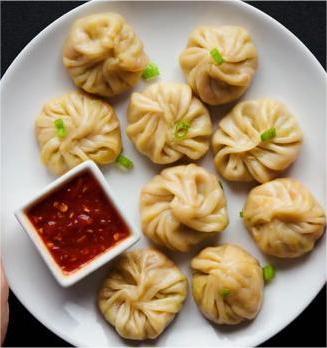
Ragi momos are a healthy, nutritious twist on the popular Tibetan/Indian street food momos (steamed dumplings). Traditional momos use refined white flour (maida) for the wrapper, but ragi momos incorporate ragi flour (finger millet or nachni flour), often mixed with some whole wheat flour for better texture and pliability. The filling is typically a mix of finely chopped vegetables (like cabbage, carrots, beans, onions, capsicum, mushrooms), paneer, or other proteins, seasoned with ginger, garlic, green chillies, and spices. They are usually steamed, making them low-oil or oil-free.

This version keeps the juicy, flavorful appeal of momos while upgrading the nutritional profile with the superfood qualities of ragi

Millet Pasta at Mitamins Health Club at Vanasthalipuram

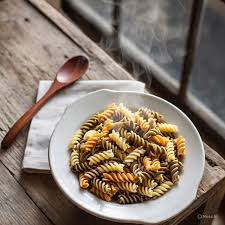
Millet pasta is a nutritious alternative to traditional wheat-based pasta. It is made primarily from millet flours (such as foxtail, finger/ragi, barnyard, little, kodo, pearl, or jowar/bajra) or blends of multiple millets, sometimes mixed with a small amount of durum wheat semolina for better texture and binding.

Millets are ancient, drought-resistant grains often called “nutricereals” due to their dense nutrient profile. The pasta comes in familiar shapes like penne, macaroni, spaghetti, fusilli, or spirals, and it cooks similarly to regular pasta—boiled in salted water until al dente (typically 8–12 minutes, depending on the brand and blend).

Key Nutritional Profile (Approximate per 100g dry millet/multi-millet pasta)

Values can vary by brand and millet mix, but typical ranges include:

  • Calories: 300–370 kcal
  • Carbohydrates: 65–75g (mostly complex)
  • Protein: 9–13g (higher or comparable to wheat pasta, with better essential amino acid balance in some millets)
  • Dietary Fiber: 7–11g+ (significantly higher than refined wheat pasta)
  • Fat: 0.5–3g (low, mostly unsaturated)
  • Key micronutrients: Rich in iron (up to 5–17mg/100g in some millets), calcium (especially high in finger millet/ragi, ~300mg/100g), magnesium, zinc, phosphorus, B vitamins (thiamine, niacin, riboflavin), and antioxidants like phenolics and flavonoids.

It is naturally gluten-free when made from 100% millet flours, making it suitable for people with celiac disease or gluten sensitivity.

Advantages of Millet Pasta

Here are the main benefits compared to regular refined wheat (maida) pasta or even standard durum wheat pasta:

  1. Higher Fiber Content for Better Digestion The elevated dietary fiber promotes gut health, prevents constipation, and supports regular bowel movements. It also helps you feel fuller longer, aiding portion control.
  2. Low Glycemic Index (GI) for Steady Energy and Blood Sugar Control Millets release energy more slowly than refined grains, reducing blood sugar spikes. This makes millet pasta especially helpful for people managing diabetes, insulin resistance, or those seeking sustained energy (great for kids and active adults).
  3. Rich in Essential Minerals and Antioxidants It provides higher levels of iron (for combating anemia), calcium (for bone health), magnesium (for metabolism and muscle function), and zinc (for immunity). Antioxidants in millets help fight oxidative stress and may support overall immunity and reduce inflammation.
  4. Gluten-Free and Suitable for Special Diets Pure millet pasta is a safe, tasty option for gluten-intolerant individuals. It fits well into vegetarian, vegan, and clean-eating lifestyles.
  5. Weight Management Support Lower calorie density in some formulations, combined with high fiber and protein, promotes satiety without heavy processing. It digests more slowly, helping control hunger and cravings.
  6. Better Protein Quality and Overall Nutrient Density Millets often offer more essential amino acids and micronutrients than refined wheat. Some blends provide a good protein boost while remaining low in fat and sugar.
  7. Eco-Friendly and Sustainable Millets require less water and are resilient to climate challenges, making them a more environmentally friendly crop choice than wheat in many regions.

How It Compares to Regular Pasta

  • Refined wheat pasta (maida): Lower in fiber, minerals, and protein; higher GI; more processed.
  • Whole wheat or durum semolina pasta: Better than refined but still contains gluten and generally has less fiber/minerals than millet versions.
  • Millet pasta: Superior in fiber, certain minerals (iron, calcium), and GI profile; often more nutrient-dense overall. Texture can be slightly firmer or nuttier, and it pairs well with Indian or fusion sauces (tomato, pesto, creamy cashew, or veggie stir-fries).

Tips for Enjoying Millet Pasta

  • Start with multi-millet blends if you’re new to it—they often have a milder taste and better cooking performance.
  • It works great in classic Italian dishes or Indian-style preparations (with spices, vegetables, or lentils).
  • Brands in India and globally offer options like ragi, foxtail, or multi-millet penne/macaroni—many are available online or in health stores.
  • Cook it al dente and rinse briefly if needed to prevent sticking, as some pure millet versions can be more delicate.

Overall, millet pasta is an excellent way to add more whole-food nutrition to a comfort food favorite without sacrificing taste or convenience. It’s particularly popular in health-conscious households in India and among those looking for sustainable, gluten-free alternatives. If you have specific dietary needs (e.g., diabetes-friendly or high-protein), check labels for exact millet composition.

Millet Momo’s at Mitamins Health Cafe at Vanasthalipuram

Millet momos are a nutritious twist on the classic Himalayan steamed dumplings (momos), where the traditional refined wheat flour (maida) wrapper is replaced or blended with millet flour. Common millets used include ragi (finger millet), kodo, foxtail, or a mix of millets. The filling remains similar—typically a mix of finely chopped vegetables (cabbage, carrots, onions), herbs, spices, garlic, ginger, and sometimes paneer, tofu, or minced meat—then the momos are steamed.

This version originated as a healthier adaptation in regions like Arunachal Pradesh (among communities like the Monpa) and has gained popularity in India as part of the millet promotion movement. They taste slightly nuttier and earthier than regular momos but retain the soft, juicy texture when steamed well.

Key Advantages of Millet Momos

Millet momos offer several health upgrades over conventional maida-based momos while keeping the fun, street-food appeal intact:

  • Gluten-free option — Millets are naturally gluten-free, making these momos suitable for people with celiac disease or gluten sensitivity. You can make them 100% millet or mix with a little wheat if needed for pliability.
  • Higher fiber content — Millets are rich in dietary fiber (both soluble and insoluble). This supports better digestion, acts as a prebiotic for gut health, helps prevent constipation, and keeps you fuller for longer—great for weight management.
  • Better blood sugar control — Millets have a low glycemic index, so they cause a slower rise in blood sugar compared to refined flour. This makes millet momos a smarter choice for people managing diabetes or insulin resistance.
  • Improved heart health — The fiber and antioxidants in millets can help lower cholesterol levels by binding fats in the gut. They also provide minerals like magnesium and potassium that support cardiovascular function.
  • Rich in essential nutrients — Millets deliver more protein, B vitamins (including niacin and folate), iron, calcium (especially high in ragi), magnesium, phosphorus, and antioxidants than refined wheat. This boosts energy, immunity, bone health, and overall nutrition without empty calories.
  • Lower calorie density with higher satiety — While the calorie count per piece is similar or slightly lower, the extra fiber and protein mean you feel satisfied with fewer pieces, reducing overall intake. They’re a guilt-free way to enjoy a favorite snack.
  • Antioxidant and anti-inflammatory benefits — Polyphenols and other compounds in millets offer protective effects against oxidative stress and may support anti-diabetic and heart-protective properties.
  • Sustainable and versatile — Millets are drought-resistant crops, so choosing them supports eco-friendly farming. You can customize fillings to make them vegan, high-protein, or spiced to your taste.

In short, millet momos transform a popular indulgence into a nutrient-dense meal or snack that aligns with modern health goals like better digestion, stable energy, and reduced processed-food intake—without sacrificing flavor.

Simple Way to Make Millet Momos at Home

  1. Dough: Mix 1 cup millet flour (ragi or kodo works well; you can blend with ½ cup wheat flour for softer texture) with ½ tsp salt. Gradually add hot water and knead into a smooth, pliable dough. Rest for 15–20 minutes.
  2. Filling: Sauté grated garlic, ginger, chopped onions, cabbage, carrots, and any protein of choice. Season with salt, pepper, soy sauce, and herbs. Cool completely.
  3. Assemble: Roll dough into thin circles, add filling, pleat and seal into momos shapes.
  4. Steam: Place in a greased steamer and cook for 8–12 minutes until shiny and cooked through.

Serve hot with spicy tomato-chili chutney or garlic sauce. Many ready-to-eat or street versions are now available in places like Hyderabad and other Indian cities.

If you’re looking to try them, millet momos are an easy, delicious way to add more ancient grains to your plate while enjoying a beloved comfort food!

Millet Noodless at Mitamins Health Club at Vanasthalipuram

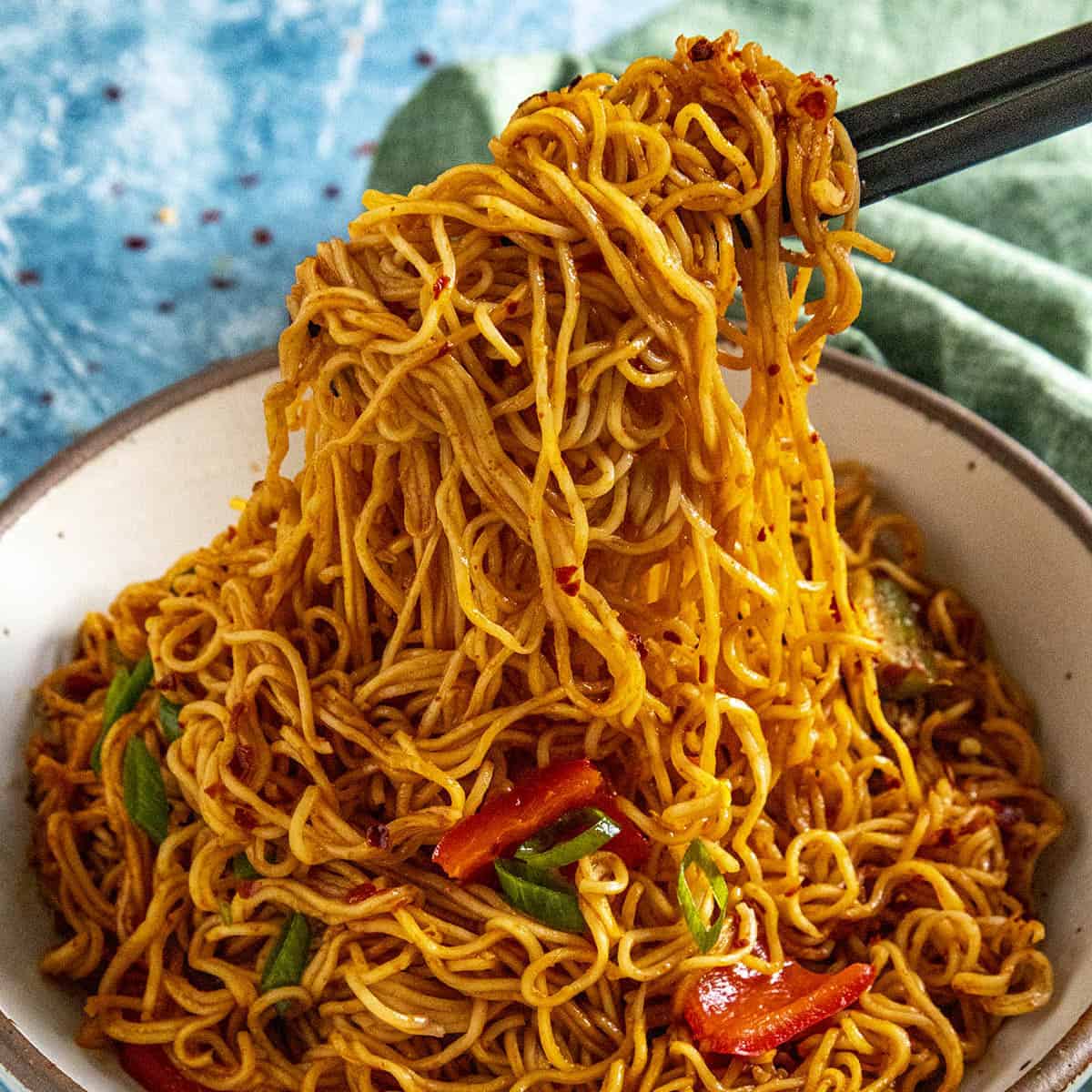
Millet noodles are a nutritious, modern twist on traditional instant or hakka-style noodles. They are made primarily from millet flours (such as foxtail millet/thinai, ragi/finger millet, jowar/sorghum, little millet, kodo millet, or barnyard millet), often blended with some whole wheat flour or natural binders like cluster bean gum for better texture. Unlike regular noodles made from refined wheat flour (maida), millet noodles are typically free from heavy processing, artificial preservatives, and maida, giving them a slightly nuttier flavor and firmer, chewier texture.

They cook quickly (similar to regular noodles) and work well in stir-fries, soups, salads, or as a base for Indo-Chinese dishes like hakka noodles or vegetable upma-style preparations. In India, they’ve gained huge popularity—especially after the 2023 International Year of Millets—with brands like Slurrp Farm, Naturally Yours, Millet Amma, and others offering ready-to-cook packs with spice mixes

Key Advantages of Millet Noodles

Here are the main benefits compared to conventional maida-based or refined wheat noodles:

  • High in Dietary Fiber: Millets are naturally rich in fiber, which promotes better digestion, prevents constipation, supports gut health, and helps you feel full longer. This reduces overeating and bloating.
  • Rich in Protein and Essential Nutrients: They provide more plant-based protein than regular noodles, along with vitamins (B vitamins like niacin and folate), minerals (iron, calcium, magnesium, phosphorus, zinc), and antioxidants. This supports muscle health, energy levels, bone strength, and overall nutrition—great for kids, active people, and weight management.
  • Low Glycemic Index (GI): Millets release energy slowly, helping stabilize blood sugar levels and avoiding the energy crashes or spikes common with refined carbs. This makes them a safer, more suitable option for people managing diabetes or insulin sensitivity.
  • Gluten-Free Options Available: Pure millet noodles (or those without wheat) are naturally gluten-free, making them ideal for people with celiac disease, gluten sensitivity, or those seeking wheat-free alternatives.
  • Supports Weight Loss and Heart Health: Higher fiber and protein content aids satiety and portion control. They’re generally low in fat, cholesterol-free, and may help lower bad cholesterol while providing sustained energy without guilt.
  • No Maida, Cleaner Eating: Free from refined flour means no empty calories or rapid blood sugar spikes. They’re a more wholesome, nutrient-dense swap that retains the bran and germ of the grains.
  • Family-Friendly and Versatile: Easy for busy meals, appealing to kids with familiar textures, and a good way to introduce “super grains” into diets. They also align with sustainable farming, as millets are climate-resilient crops.

Overall, millet noodles deliver similar convenience to regular ones but with far superior nutrition—more fiber, protein, and micronutrients, plus a lower glycemic load for steady energy. They’re especially popular in India for healthier snacking or meals.

If you’re trying them, start with foxtail or multi-millet varieties for a mild taste. Pair with plenty of veggies, lean protein, and spices for a balanced dish. Have you tried any specific brands or recipes yet?